
 Pick up & drop off at Arusha town (any hotel)
 International and domestic flights

After an early breakfast, depart for the world’s most famous safari destination—the Serengeti National Park. Although the drive is long, it is incredibly scenic. You will travel through the Crater Highlands, stopping briefly at the rim to take in an unforgettable, otherworldly view of the Ngorongoro Crater—an awe-inspiring moment, especially for first-time visitors.
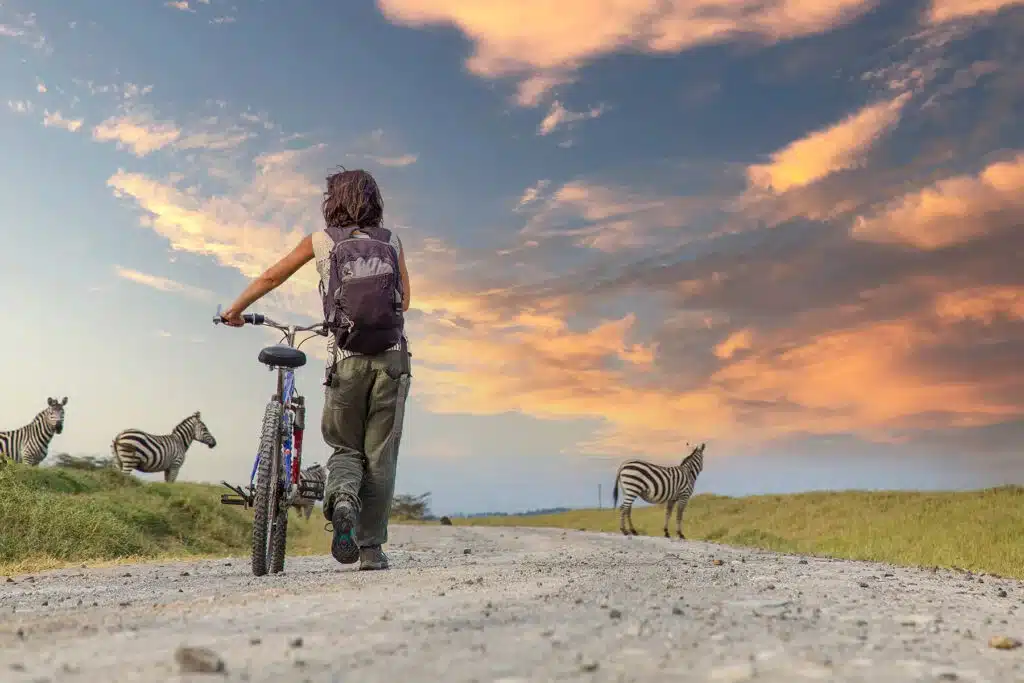
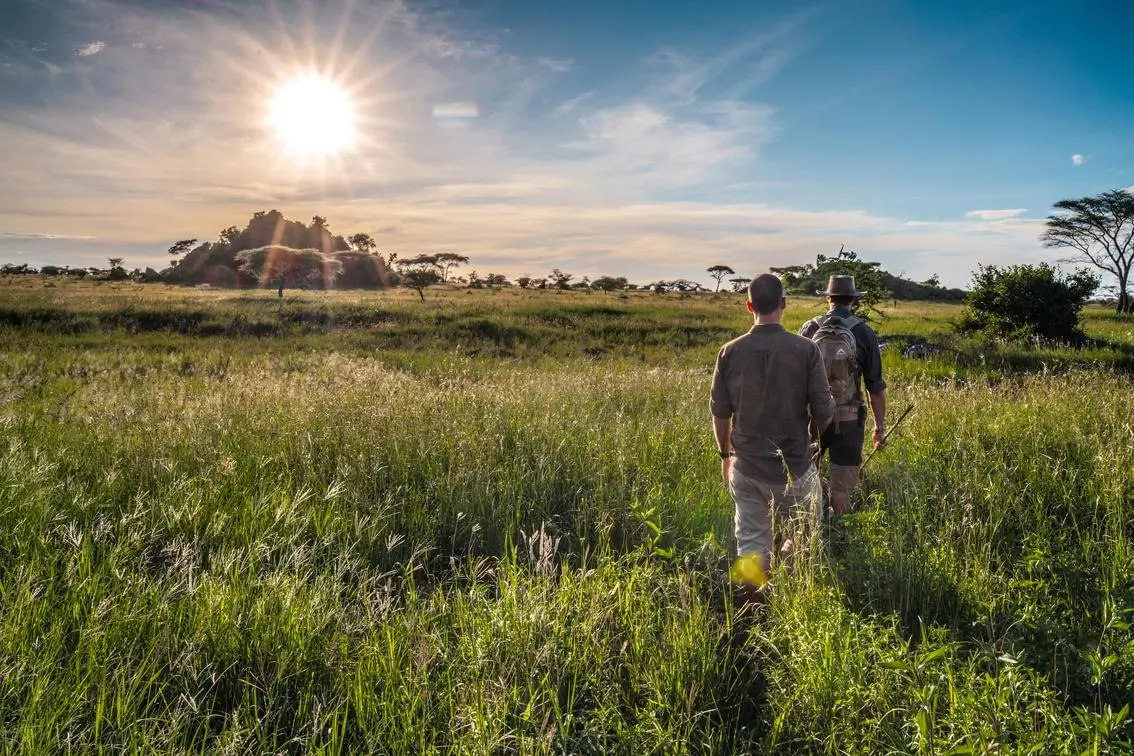
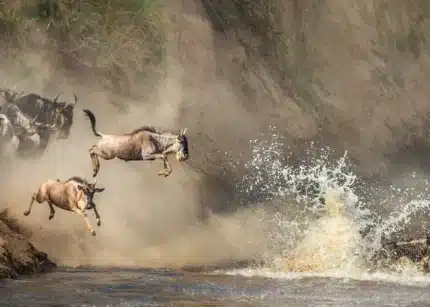
As you journey deeper into the Serengeti, you will quickly understand why its name means “endless plains” in the local language. Covering nearly 6,900 square miles (18,000 sq. km), the park’s vast grasslands stretch endlessly to the horizon, challenging your sense of distance. The Serengeti is home to the Great Migration, with over two million wildebeest, hundreds of thousands of zebras, and a wide variety of antelopes, including impalas and Thomson’s gazelles. It is also one of the best places in Africa to spot large predators such as lions, cheetahs, leopards, and hyenas—many iconic wildlife documentaries, including dramatic river crossings, have been filmed here. In addition, smaller mammals like foxes, mongooses, honey badgers, jackals, baboons, rock hyraxes, and African hares thrive here, along with more than 500 species of birds.
Along the way, you may choose to stop at Olduvai Gorge, one of the most important paleoanthropological sites in the world. Here, Dr. Louis and Mary Leakey discovered some of the earliest evidence of human ancestors. The visit includes a short lecture on the area’s archaeological discoveries and geological features, as well as time to explore the on-site museum.


Reviews
There are no reviews yet.